

Normally, I don’t go looking for trouble—but what are those bite marks, sticky leaves, or chewed-up stems? In the garden, spotting these signs early is the best way to head off potential problems before they get out of hand. While you’re weeding or watering, keep an eye out for telltale clues like holes in leaves, egg masses, or webs that reveal common garden pests at work. In this guide, we’ll walk you through 10 clear signs—and what they’re trying to tell you—so you can act fast and keep your plants thriving.

Use Almanac’s Plant Problem ID tool to find what’s eating your plants.
Scouting for Pests
Before you start scouting, remember: Many insects are actually beneficial, so don’t assume every bug is bad news! Take the classic myth about peonies and ants—they’re usually just hanging out, not harming your plants. And never reach for an insecticide spray right away! Most sprays won’t touch the real pests but will wipe out helpful insects and natural predators. Plus, if you kill pollinators like bees, you could be signing your garden’s death warrant.
10 Common Pests in the Garden
1. Leaf Miners: Tiny Tunnels, Big Trouble
Leaf miners are the fly larvae that tunnel between leaf layers in chard, spinach, lamb’s quarters, and beet greens—leaving pale, winding trails behind. You might not even notice them until you cook the greens and discover tiny worms inside. Yuck! Check out The Old Farmer’s Almanac’s tips for tackling leaf miners.

2. Cutworms: The Nighttime Seedling Snatchers
Cutworms are sneaky night critters doing their dastardly deeds under the cover of darkness. These moth larvae emerge from winter hiding spots to feast on young seedlings and tender new plants. By morning, you might find your plants chewed off right at the soil line—just little stubs left behind. If you dig carefully around the base, you might even spot a fat, sleepy cutworm hanging out. Once found, you can remove the culprit however you like—garden justice is yours!

3. Slugs: Nighttime Leaf Eaters
Another nighttime visitor is the slug. If large, ragged holes are appearing in your hostas and petunia leaves, the slugs have been dining there. The holes should have irregular shapes due to the slugs’ file-like mouthparts. Small seedlings can be consumed entirely. Slugs can digest tissues from most plants, but you might find them especially liking plants with broad, delicate leaves, like beans, bok choy, cabbage, lettuce, and tomatoes. The only evidence they leave, aside from those unsightly holes, is the silvery trails of dried mucus they slid out on.

4. Aphids: Little Invaders With a Big Appetite
We’ve all seen green on plants in the springtime, but every summer we get a crop of red aphids on our heliopsis plants. They are easy to dislodge with a strong spray of water and usually don’t come back.
Green aphids are a familiar sight in spring, while red aphids often appear later. These tiny sap-sucking insects can weaken plants but are usually easy to control by spraying them off with a strong jet of water. They rarely come back once dislodged, making this a simple, organic solution to protect your garden.

5. Butterfly Caterpillars: Beautiful but Hungry Guests
I love watching swallowtail butterflies flutter through the garden, but after hosting about 20 of their caterpillars, my dill patch has looked pretty ragged. These caterpillars feast heavily on dill and other herbs, sometimes leaving plants a bit bare. While they can cause noticeable damage, swallowtails are beneficial pollinators, so it’s best to tolerate some nibbling or gently relocate caterpillars if needed. Hopefully, your plants will have time to bounce back before harvest—like when the cukes are ready to pickle!

6. Cucumber Beetles: The Chewing Culprits
Ever seen this striped fellow below, who likes to chew holes in leaves? It’s the dreaded cucumber beetle. If left unchecked, they can defoliate young plants and spread bacterial wilt disease, which is especially damaging. Early in the season, protect cucumber and squash seedlings by covering them with lightweight row covers (like reemay) until they’re strong enough to withstand beetle attacks. I found our cucumber beetles at a loss, sitting on potatoes and tomatoes, not finding much to eat. This kept the population down a bit, so when we finally uncovered the plants as they started to blossom, they were not overwhelmed with bugs.

7. Squash Bugs: The Sap-Sucking Threat
Squash bugs are sucking insects that suck the sap out of leaves. They are fond of the young seedlings of squash (like zucchini) and pumpkins, which are too young to withstand their attacks. If you catch squash bugs early, they cause little damage to plants in late summer and fall. The eggs hide under leaves; crush them or pick them and drop into a soaky bucket. Adult squash bugs are difficult to kill. Learn more about controlling squash bugs.

8. Beetlemania: Tortoise, Flea, and Asparagus Beetles
Tortoise Beetles with their shiny, hard shells quietly chew round holes in sweet potatoes, morning glories, tomatoes, and eggplants. The golden tortoise beetle looks almost gilded with gold—too pretty to squish, but they can cause damage.

Flea beetles are tiny black hoppers that eat small holes in the leaves making them look like they have been hit with mini-buckshot. Their larvae, white grubs with brown heads, are ¾ inch long—much larger than the adults. They live in the soil and eat plant roots.
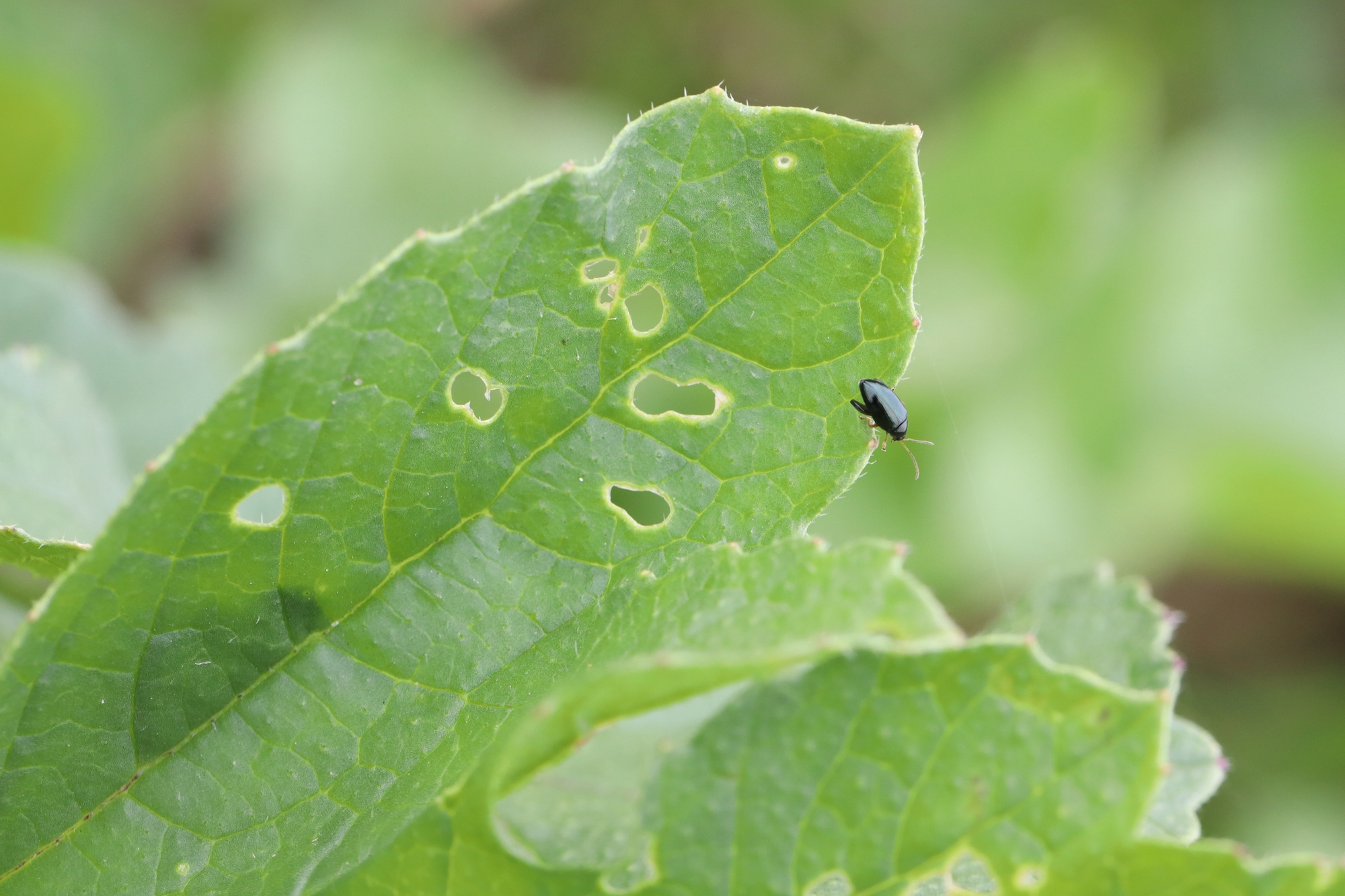
Asparagus Beetles come in two types: a black-and-white early spring beetle and a bright orange summer one that lays eggs on asparagus fronds. The larvae hatch into fat, slimy worms that can defoliate your plants quickly. To control them, shake the beetles into soapy water and handpick or crush the larvae. Don’t neglect your asparagus crop during summer!

9. Colorado Potato Beetles
We went a little overboard on seed potatoes this year so we have beds of potatoes growing all over the garden. No potato bugs so far, but I keep checking. Colorado potato beetles will not only eat potatoes but also other nightshades, such as tomatoes, eggplants, peppers, and petunias—that is, most of my garden! Like the bean beetles, they lay masses of yellow eggs on the undersides of the leaves. When the brick-red larvae hatch, they eat large amounts of foliage. By now you know the drill—handpick the adults and squish or drown them and their offspring. Learn more about deterring Colorado potato beetles.

10. Mexican Bean Beetles
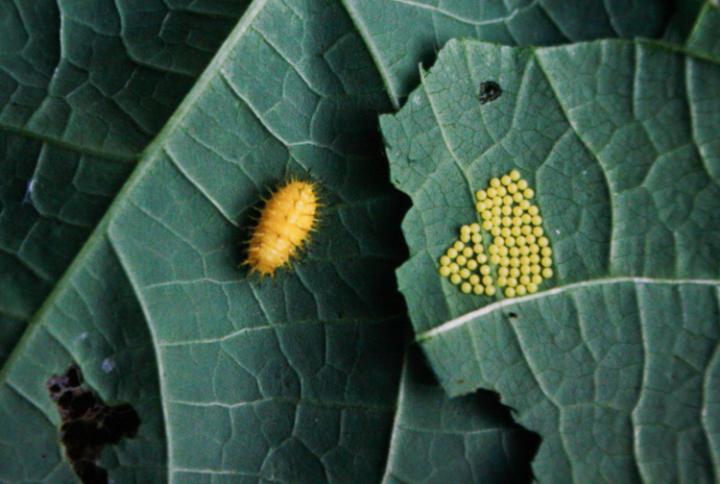
Mexican bean beetles are worth watching for. One female can lay over 500 eggs, and their larvae skeletonize bean leaves. Check the undersides of your bean plants for yellow egg clusters and crush them. Handpick beetles and larvae, then dunk or squish them to protect your harvest.
Watch for Plant Diseases, Too
While you are scouting, check for signs of plant diseases, too. Hot, humid weather is perfect for encouraging fungal and bacterial diseases, so watch those tomato leaves. Fungal and bacterial diseases can spread quickly.
- For example, powdery mildew, which looks like it sounds—as if someone sprinkled talcum powder on the leaves—is especially common on tomatoes. See how to control powdery mildew.

- Cucumber wilt is another issue to watch for. If your cukes suddenly collapse and no amount of water revives them, it’s likely the work of cucumber beetle spreading this bacterial disease. Remove and destroy affected plants immediately and try replanting in a new spot with lightweight row covers until flowering. Late plantings often escape damage.
- Blight, especially early or late blight on tomatoes and potatoes, is also common in damp conditions. It usually starts as dark spots on leaves or stems and can spread quickly. Remove infected leaves and avoid overhead watering to help slow it down.
Frequently Asked Questions
How do I know what pest is damaging my plants?
Look for clues like holes in leaves, sticky residue, webs, egg clusters, tunnels, or chewed stems. Different pests leave different types of damage.
Are all insects in the garden harmful?
No. Most garden insects are beneficial or harmless and help pollinate flowers or control pests naturally.
What causes sticky leaves on plants?
Sticky leaves are usually caused by sap-sucking insects like aphids, whiteflies, or scale insects leaving behind “honeydew.”
How often should I inspect my garden for pests?
Check plants every few days during the growing season so you can catch pest problems early before damage spreads.
Be vigilant; if you stay ahead of the bugs, you will be able to keep them under control without resorting to using chemicals.
🔎 Want to dig deeper? Visit our full Pest and Plant Disease Library for more organic solutions, pest profiles, and prevention tips.



That is upsetting! Since they are most active at night give them a place to hide during the day Try rolling up newspaper and placing it where they have been feeding. They will move in and you can toss the whole thing bugs and all. They also can be lured into an oil trap. Cut a small hole in the lid of a margarine tub or yogurt container. Add enough oil to drown them and pour in a little soy sauce, fishy smelling oil (like from a sardine can), or bit of bacon grease to lure them in. Bury the container with the lid at soil level so they can easily crawl in. I have never tried this trap but it is supposed tp be very effective. Good luck!
Slugs or earwigs get my vote, especially if the damage is happening at night. Try putting out shallow containers half-filled with cheap beer to lure the slugs to a drunken death. For earwigs mix up equal parts soy sauce, vegetable oil, and corn syrup or molasses. You only need about 1/2 inch of this mix in a shallow container. Bury the containers up to their rims near your plants. In the morning check the containers and you will see who the culprit is.

Comments